Understanding Body, Tannins, and Acidity: A Practical Guide
When tasting wine, people often throw around words like “full-bodied,” “high acidity,” or “firm tannins.” But what do these terms really mean and how do they affect the way wine feels and tastes?
If you’re new to wine or want to deepen your knowledge, understanding body, tannins, and acidity is one of the most practical steps you can take. These three elements are the building blocks of a wine’s structure and directly impact how it pairs with food, how it ages, and how you perceive it in your glass.
Let’s break it all down clearly and simply so you can start tasting wine with more confidence and insight.
1. What Is Body in Wine?
Body refers to the weight or fullness of the wine in your mouth. It’s not about flavor it’s about mouthfeel.
Think of it like this:
- Skim milk = light-bodied wine
- Whole milk = medium-bodied wine
- Cream = full-bodied wine
What affects body?
- Alcohol content: Higher alcohol = fuller body
- Sugar: Sweet wines feel heavier
- Grape variety: Some grapes naturally produce fuller wines (like Cabernet Sauvignon or Chardonnay)
- Oak aging: Adds texture and weight
Examples:
- Light-bodied: Pinot Grigio, Gamay, Beaujolais
- Medium-bodied: Merlot, Chenin Blanc, Sangiovese
- Full-bodied: Zinfandel, Syrah, Chardonnay (oaked), Cabernet Sauvignon
How to detect body:
Take a sip and focus on how the wine “sits” on your tongue. Does it feel light and quick? Or rich and coating?
2. What Are Tannins?
Tannins are compounds found in grape skins, seeds, and stems, as well as in oak barrels. They create a dry, slightly bitter, or astringent sensation, especially in red wine.
They’re the reason your mouth feels dry or puckery after drinking certain reds it’s not acidity, it’s tannin.
Tannins serve two main purposes:
- Add structure and bitterness
- Act as a natural preservative, allowing wine to age longer
Wines with high tannins:
- Cabernet Sauvignon
- Nebbiolo (Barolo)
- Syrah/Shiraz
- Malbec
Wines with low tannins:
- Pinot Noir
- Gamay
- Grenache
- Zinfandel
How to detect tannins:
Take a sip, hold it in your mouth for a moment, and focus on your gums and inner cheeks. Do they feel dry or sticky after swallowing? That’s tannin at work.
3. What Is Acidity in Wine?
Acidity gives wine its freshness, crispness, and lift. It’s what makes your mouth water and keeps wine from feeling flat or heavy.
Acidity balances sweetness and alcohol, helps wine age, and makes it a great companion for food.
Common types of acidity:
- Malic acid (green apple-like)
- Tartaric acid (sharp, tangy)
- Lactic acid (soft, creamy — often from malolactic fermentation)
High-acid wines:
- Sauvignon Blanc
- Riesling
- Chenin Blanc
- Albariño
- Chianti (Sangiovese)
- Pinot Noir
Low-acid wines:
- Viognier
- Gewürztraminer
- Oaked Chardonnay
- Some warm-climate reds (like Shiraz from Australia)
How to detect acidity:
Take a sip and see if your mouth salivates. The more your mouth waters, the higher the acidity.
How These Elements Work Together
Body, tannins, and acidity don’t exist in isolation — they interact to create a wine’s balance and character.
Example 1: High Tannin, Full Body, Low Acidity
- Think: Young Napa Valley Cabernet
- Feels rich, bold, and powerful — great with steak or fatty meats
Example 2: Light Body, Low Tannin, High Acidity
- Think: Italian Pinot Grigio
- Crisp and refreshing — great with seafood or salads
Example 3: Medium Body, Medium Tannin, Medium Acidity
- Think: Spanish Tempranillo
- Balanced and food-friendly — pairs well with grilled vegetables or tapas
Why This Matters for Pairing Food
Understanding these elements helps you choose better pairings:
- High acidity cuts through fat and salt — great with cheese, fried food, or creamy sauces
- Tannins soften when paired with protein — think steak and Cabernet
- Full-bodied wines need bold flavors to stand up to them
- Light wines complement delicate dishes like sushi, salads, or fish
Want to level up your pairing? Match the structure of the wine with the weight of the dish.
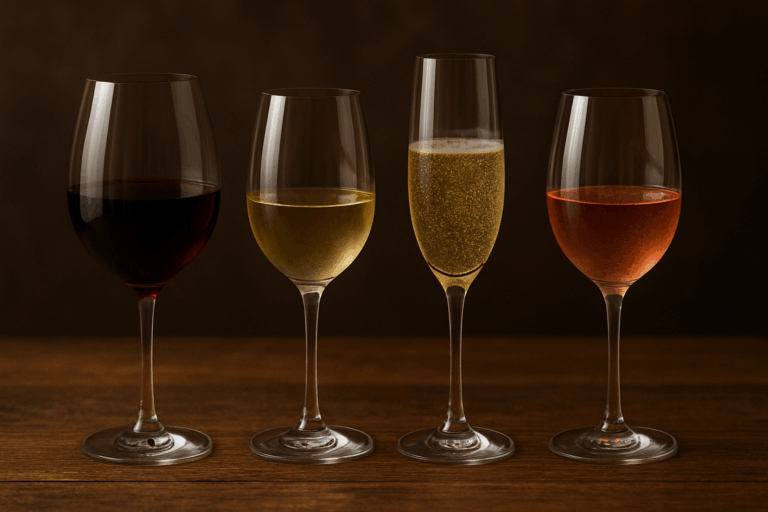
Practice Exercise: Taste and Compare
Try this simple tasting to feel the difference:
- Light-bodied white (e.g., Pinot Grigio)
- Full-bodied white (e.g., oaked Chardonnay)
- Light red with low tannin (e.g., Gamay)
- Bold red with high tannin (e.g., Cabernet Sauvignon)
- High-acid white (e.g., Sauvignon Blanc)
Taste them side by side and make notes on:
- How they feel on your tongue
- How dry your mouth feels afterward (tannin)
- How much your mouth waters (acidity)
- Which ones you enjoy the most — and why
Final Thoughts: Taste with Structure in Mind
Understanding body, tannins, and acidity helps you move from “I like this wine” to knowing why you like it. That’s powerful and empowering.
Next time you taste a wine, take a few seconds to ask yourself:
- Is it light or heavy?
- Does it dry out my mouth?
- Does it make me salivate?
With this simple awareness, you’ll enjoy wine on a deeper level and become more confident choosing bottles, pairing meals, and even starting a collection.
Cheers to structure, balance, and your growing wine journey!