Tasting at Home: How to Build a Simple Wine Ritual for Beginners
You don’t need a vineyard view or a sommelier certification to enjoy a thoughtful wine tasting. In fact, creating a wine ritual at home is one of the easiest and most enjoyable ways to deepen your appreciation for wine.
Whether you’re a complete beginner or just want to bring more meaning to your wine nights, this guide will show you how to set up a simple wine tasting ritual that’s educational, enjoyable, and perfectly doable from the comfort of your kitchen or living room.
Why Build a Wine Ritual?
Drinking wine is easy. Tasting wine with intention takes it to another level. A ritual gives structure to your experience and helps you:
- Discover new styles and regions
- Understand your personal preferences
- Train your palate and senses
- Create memorable moments, solo or with friends
- Slow down and savor the experience
It’s not about being a wine snob it’s about being present and curious.
What You’ll Need (No Fancy Tools Required)
You don’t need high-end gadgets to get started. Here’s a basic setup:
✅ 1–3 bottles of wine
Start with just one if you’re solo. Choose by grape, region, or theme (e.g., “dry whites” or “Italian reds”).
✅ Wine glasses
Use clean, clear glasses with a tapered shape (no colored glassware). If possible, one glass per wine.
✅ A pen and paper or tasting journal
Or use a wine app like Vivino or Delectable to record your impressions.
✅ A neutral snack
Plain crackers or bread help cleanse your palate between sips.
✅ Water
To stay hydrated and rinse your mouth or glass.
(Optional) Light snacks like cheese, fruit, or olives but save them after the initial tasting to avoid distorting your perception.
Step-by-Step: Your Home Wine Tasting Ritual
Follow this structure to guide your tasting with intention and awareness:
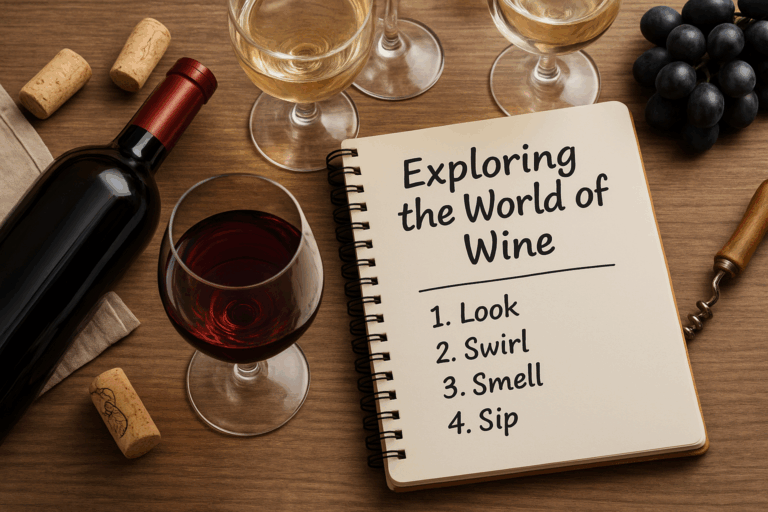
🍷 1. Look (Appearance)
Hold the glass at an angle over a white surface.
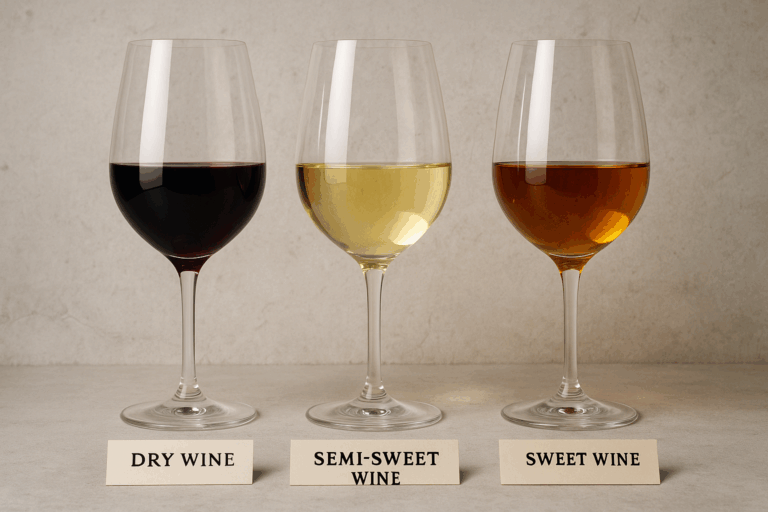
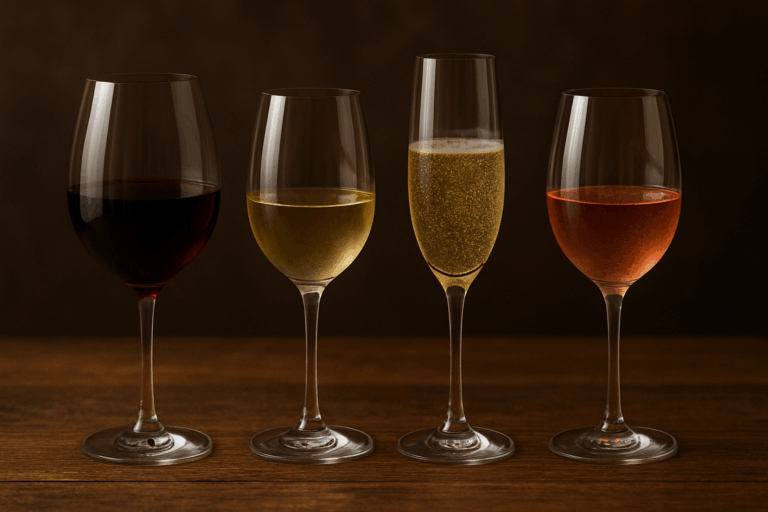
- What is the color? Pale lemon? Deep ruby? Golden amber?
- Is it clear or cloudy?
- Are there legs/tears (those streaks on the glass)? This can indicate alcohol or sugar levels.
Color gives clues about the wine’s age, grape variety, and style.
👃 2. Smell (Aroma)
Swirl the wine gently to release its aromas. Then take a few short sniffs, followed by one deep breath.
Ask yourself:
- What fruits do I smell? (apple, peach, cherry, blackberry)
- Any floral notes? (rose, violet, honeysuckle)
- Herbs or spices? (mint, pepper, anise)
- Earthy or woody notes? (mushroom, leather, smoke, vanilla)
Don’t worry about being “right” your impressions matter more than textbook answers.
👅 3. Taste (Palate)
Take a small sip and let it cover your whole tongue.
Focus on these core elements:
- Sweetness: Is it dry, off-dry, or sweet?
- Acidity: Does your mouth water?
- Tannins: A drying sensation (mainly in reds)
- Body: Light, medium, or full?
- Flavor: Do the aromas match the taste? Anything new?
- Finish: How long do the flavors last after you swallow?
Pro tip: Try to taste without food first, then retaste with a bite of cheese or crackers to notice how flavors shift.
📝 4. Reflect and Record
Once you’ve finished your first impressions, jot down:
- What did you like or dislike?
- Would you buy it again?
- Would it go well with any specific food?
- How did it make you feel?
Over time, this journal will help you understand your personal wine profile whether you prefer high-acid whites, bold reds, or funky orange wines.
Themes for Your At-Home Tasting
Want to make it more structured (or social)? Try one of these simple tasting themes:
🌍 By Country
- French vs. Spanish wines
- New World vs. Old World
- Explore wines from lesser-known regions (like Georgia or South Africa)
🍇 By Grape
- Taste three versions of Pinot Noir from different places
- Compare Chardonnay aged in oak vs. unoaked styles
💰 By Price
- Blind taste a $10 bottle vs. a $30 bottle which do you prefer?
🎨 By Mood or Season
- Light summer wines for hot days
- Cozy reds for a winter night in
- Funky and bold for your creative evenings
Make It a Ritual (Not Just a Habit)
If you want to turn casual sipping into a personal wine practice, add small rituals that make the experience more meaningful:
- Play soft background music
- Light a candle or set mood lighting
- Use the same special glass or coaster every time
- Taste at the same time each week — “Wine Wednesdays,” anyone?
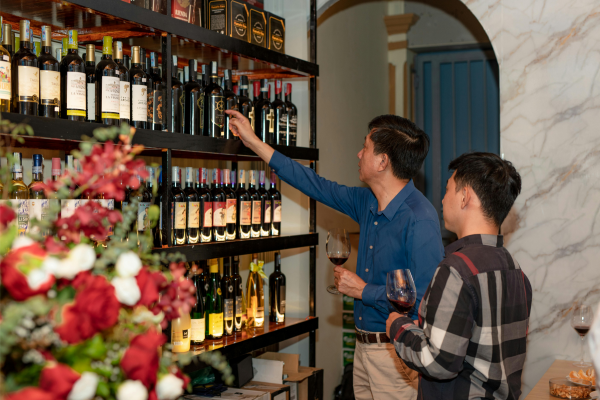
- Taste solo for reflection or with friends for fun conversation
Tasting With Friends: Tips for Hosting
If you want to turn your ritual into a social event:
- Limit to 4–6 people for focused tasting
- Keep pours small (2–3 oz per wine)
- Ask each guest to bring a bottle from a theme
- Provide water and snacks
- Use brown paper bags for a blind tasting game
- Let everyone share their notes — no wrong answers!
The goal is to have fun and explore together, not show off expertise.
Final Thoughts: Your Wine, Your Way
Building a wine tasting ritual at home is about creating space physical and mental to slow down, explore, and appreciate wine beyond the label.
You’ll begin to recognize grapes, regions, and your own palate preferences. And best of all, you’ll turn simple moments into meaningful ones.
Whether you do it once a month or every Friday night, tasting wine with intention is a ritual worth keeping.
Cheers to your journey — glass by glass.