Pairing Orange Wine: Exploring Bold Flavor Matches
Orange wine is one of the most intriguing trends in the wine world today. Despite its name, it’s not made from oranges instead, it’s a white wine made like a red, with extended skin contact that gives it a deep amber color, tannic structure, and intense, sometimes funky flavors.
Often misunderstood or overlooked, orange wines shine when paired with bold, earthy, spicy, and umami-rich foods. In this guide, we’ll break down what orange wine really is, and explore the best food pairings to highlight its unique personality.
What is Orange Wine?
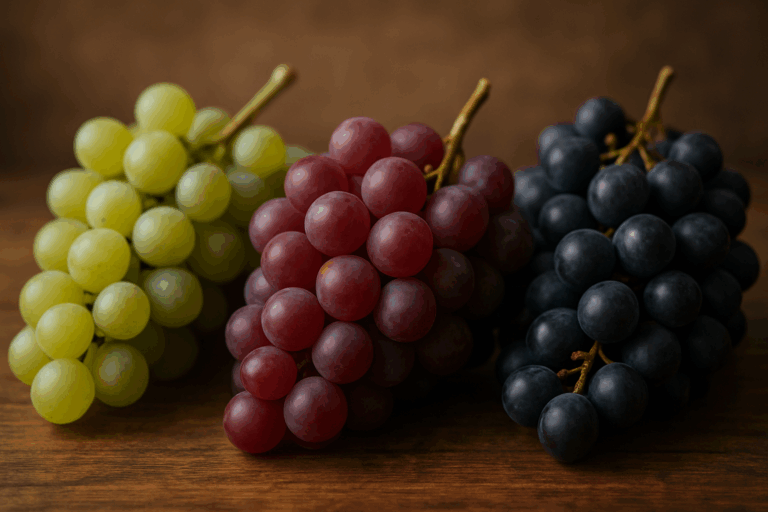
Orange wine (also known as skin-contact white wine) is made from white grapes that are fermented with their skins and seeds a technique traditionally reserved for reds. This process extracts:
- Tannins (rare in white wines)
- Deeper color (ranging from gold to copper-orange)
- Richer texture and structure
- Oxidative aromas, including nuts, dried fruit, and herbs
Orange wine is not fruity or floral like many conventional whites. Instead, it’s savory, grippy, and complex, often described as:
- Nutty
- Salty
- Earthy
- Herbal
- Sometimes slightly sour or funky
This makes it a perfect partner for dishes that need more depth and grip than a white wine can offer but where a red wine might be too overpowering.
Key Styles of Orange Wine
Not all orange wines are the same. Here are a few broad categories to keep in mind when choosing your pairings:
1. Light and Fresh
- Minimal skin contact (a few days)
- Aromas of dried citrus peel, tea, and apricot
- Lower tannin
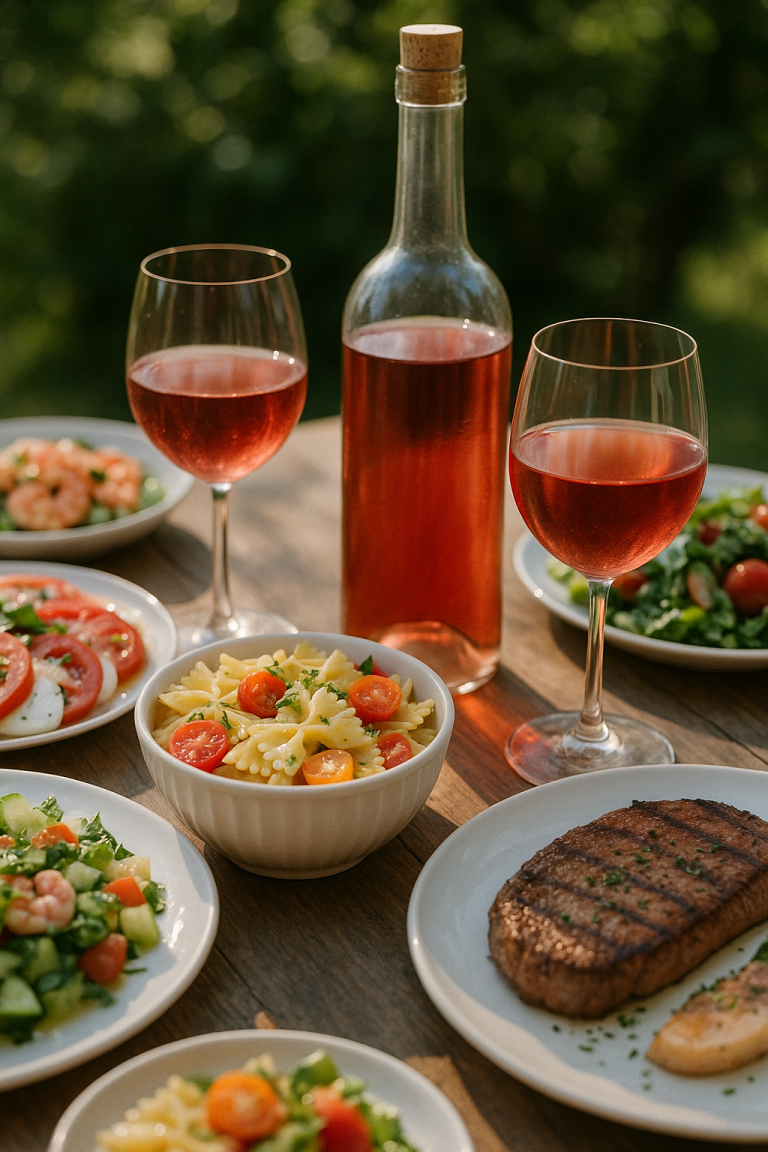
- Best for lighter dishes like salads, seafood, or soft cheeses
2. Bold and Textured
- Extended maceration (weeks or months)
- Flavors of nuts, spice, dried fruit, honey, and umami
- Medium to high tannin
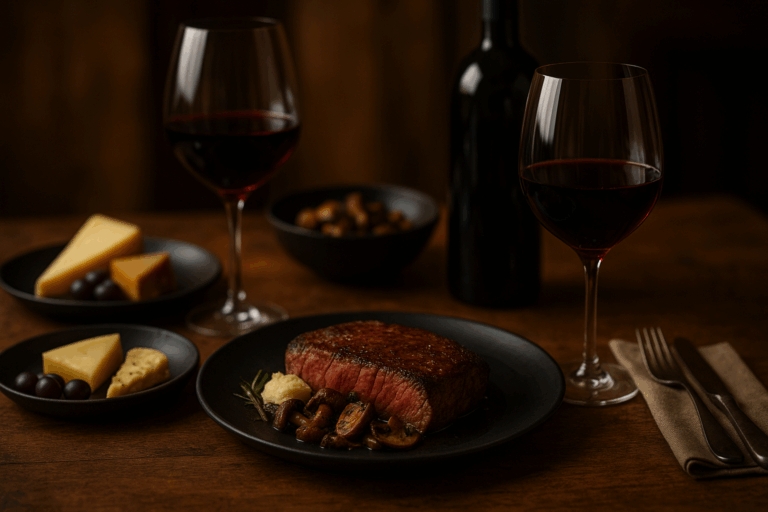
- Pairs with meats, fermented foods, mushrooms, and curries
3. Oxidative and Funky
- Often aged in clay amphora or open barrels
- Aromas of sherry, blue cheese, balsamic, and sour beer
- Acquired taste — but excellent with bold, rustic food like lamb, aged cheese, or game meats
Best Food Pairings with Orange Wine
Let’s match orange wines with bold, unexpected dishes from around the world. These combinations focus on contrast, harmony, and intensity.
🧀 Aged or Washed-Rind Cheese
- Examples: Taleggio, Epoisses, Pecorino, aged Manchego
- Why it works: Orange wine has enough texture and tannin to cut through creamy, funky cheeses, without being too heavy
🍄 Mushroom-Based Dishes
- Examples: Wild mushroom risotto, mushroom dumplings, truffle pasta
- Why it works: Earthy, savory flavors of mushrooms match the umami and oxidative notes of orange wine beautifully
🥗 Fermented and Pickled Foods
- Examples: Kimchi, sauerkraut, miso-glazed vegetables
- Why it works: Orange wine embraces acidity and funk — instead of clashing with fermented foods, it complements them
🍖 Roast Pork or Duck
- Especially with spice rubs, hoisin, or orange glaze
- Why it works: The slight tannins and bitter orange peel character in orange wines enhance the richness of fatty meats and sweet-salty sauces
🥘 Moroccan or North African Cuisine
- Examples: Chicken tagine with apricots, lamb with preserved lemon, harissa vegetables
- Why it works: Orange wine pairs well with dried fruit, exotic spices, and savory-sweet combinations
🍛 Indian Curries and Spiced Dishes
- Examples: Butter chicken, chana masala, lentil dal
- Why it works: The wine’s depth and low fruitiness allow it to hold its own against turmeric, cumin, coriander, and heat
🍣 Sushi or Raw Fish with Soy Sauce
- Try with fatty tuna, uni, or tamago
- Why it works: Umami-rich dishes shine with orange wine’s salty, slightly bitter profile a fascinating alternative to sake or white wine
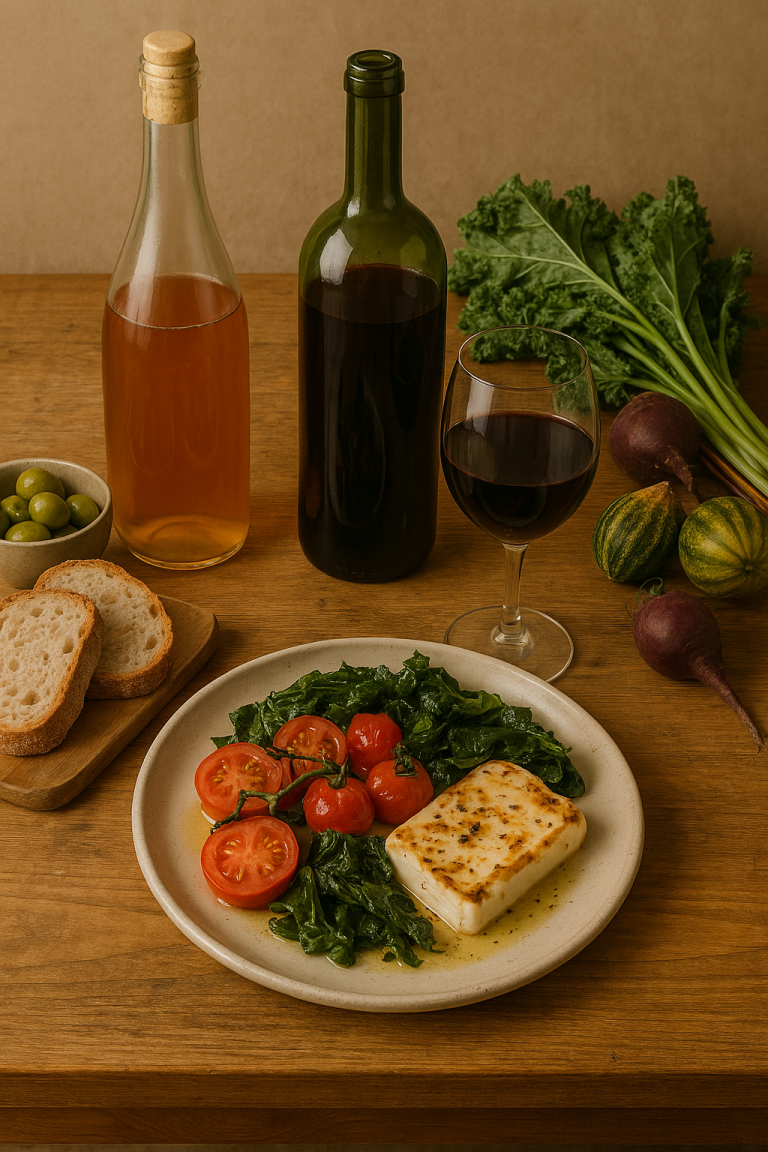
🥬 Grilled or Charred Vegetables
- Examples: Eggplant, zucchini, bell pepper, charred cabbage
- Why it works: Smoke and bitterness from grilled veggies echo the earthy tones of skin-contact wines
Serving Tips for Orange Wine
To enjoy orange wine at its best, keep these tips in mind:
- Serve slightly chilled, around 12–14°C (54–57°F), like a light red
- Use white wine or Burgundy glasses for proper aeration
- Don’t overchill — cold temperature mutes its complexity
- Let it breathe — some orange wines benefit from decanting
- Try blind tasting — orange wine often surprises even experienced wine lovers
Regions and Grapes to Explore
Orange wine is made around the world, but some regions and grapes stand out:
Georgia 🇬🇪
- Birthplace of orange wine (called amber wine)
- Traditional qvevri (clay vessel) fermentation
- Grapes: Rkatsiteli, Kisi, Mtsvane
Italy 🇮🇹
- Especially in Friuli and Sicily
- Grapes: Malvasia, Ribolla Gialla, Trebbiano, Grecanico
Slovenia 🇸🇮
- Neighbor to Friuli, known for natural and low-intervention wines
- Often rich, savory, and cellar-aged
USA 🇺🇸
- Small but growing movement in California and Oregon
- Often experimental, using Pinot Gris or Chardonnay
Australia 🇦🇺 and South Africa 🇿🇦
- Creative winemakers using skin contact for Chenin Blanc, Semillon, and Verdelho
Final Thoughts: Embrace the Unexpected
Orange wine is not for the faint of palate. But for those who crave bold flavors, challenging textures, and unexpected pairings, it’s a playground of discovery.
Whether you’re pairing it with funky cheese, fermented dishes, or Moroccan lamb, orange wine brings out layers in food that other wines often miss. It invites you to slow down, taste deeply, and break the rules just like great cuisine does.
So go bold, go orange and let your food pairings get as adventurous as your palate.
Cheers to that.