Natural and Biodynamic Wines: What to Eat with These Wild Bottles
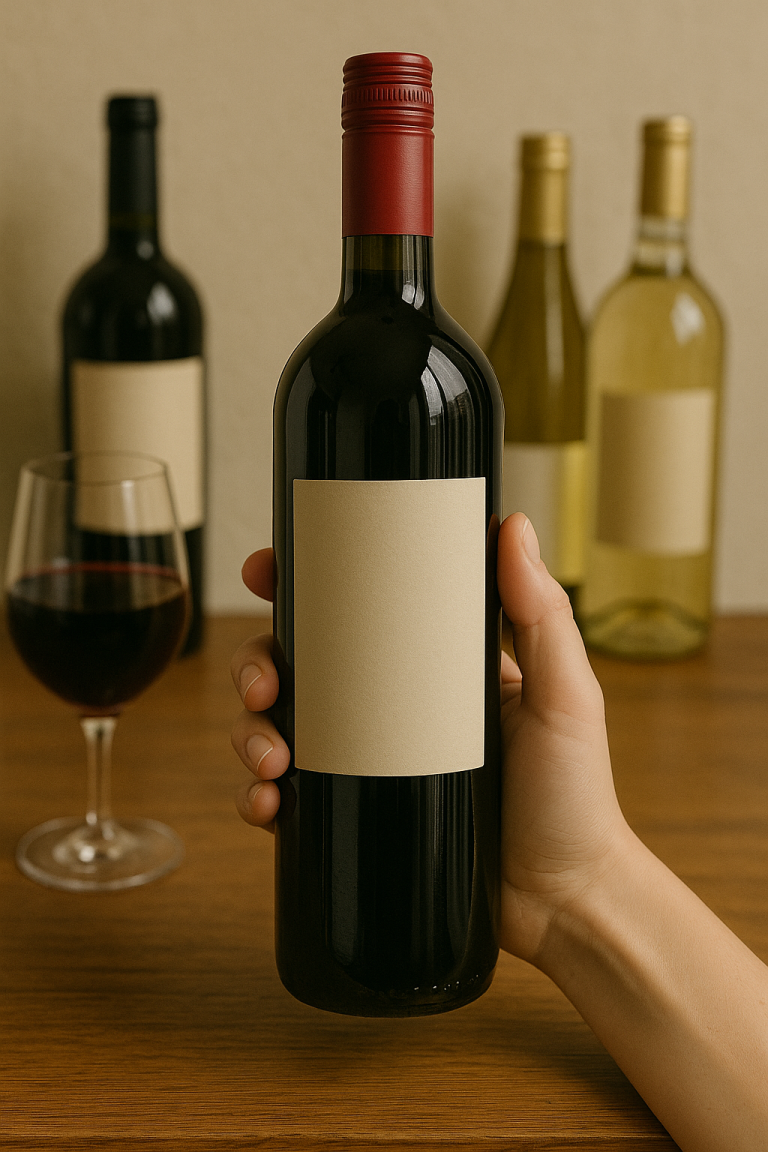
Natural and biodynamic wines have gone from niche to mainstream in the last decade. With their minimal intervention, cloudy appearance, and sometimes funky flavors, they challenge traditional wine expectations and they also challenge conventional food pairing rules.
But that’s exactly what makes them exciting. When matched thoughtfully, natural and biodynamic wines can bring out the best in bold, earthy, or simple foods turning a meal into an exploration of flavor, texture, and terroir.
In this article, we’ll break down what makes these wines different, and how to pair them with food that complements, balances, or even enhances their unpredictable character.
What Are Natural and Biodynamic Wines?
Though the terms are often used interchangeably, they refer to different concepts:
🍇 Natural Wine
- Made with minimal intervention
- Often uses wild/native yeast for fermentation
- Little to no added sulfites
- May be unfiltered, cloudy, or fizzy
- Often fermented in clay, concrete, or old barrels
- Taste varies widely can include funky, sour, earthy, or oxidative notes
🌿 Biodynamic Wine
- Based on Rudolf Steiner’s agricultural philosophy
- Incorporates lunar cycles, composting, and natural treatments
- Vineyards treated as living organisms
- Can be clean and classic or as wild as natural wines
- Certified by Demeter or similar organizations
Both types prioritize soil health, sustainability, and authenticity, aiming to reflect the true nature of the grape and land which makes food pairing all about respecting and enhancing those qualities.
General Pairing Principles
Here are some helpful tips for matching food with natural or biodynamic wines:
- Balance funk with umami: Fermented or earthy dishes tame natural wine’s wild side
- Match acidity with freshness: Bright dishes highlight lively wines
- Use texture to your advantage: Natural wines love raw vegetables, nuts, grains, and oils
- Go simple: Natural wines shine with real, unprocessed ingredients think farm-to-table meals
- Avoid overly sweet sauces: These can clash with high-acid or unfiltered wines
- Expect unpredictability: Not every bottle is the same trust your palate and stay flexible
Perfect Food Pairings for Natural and Biodynamic Wines
Let’s explore specific pairings by wine style and flavor profile.
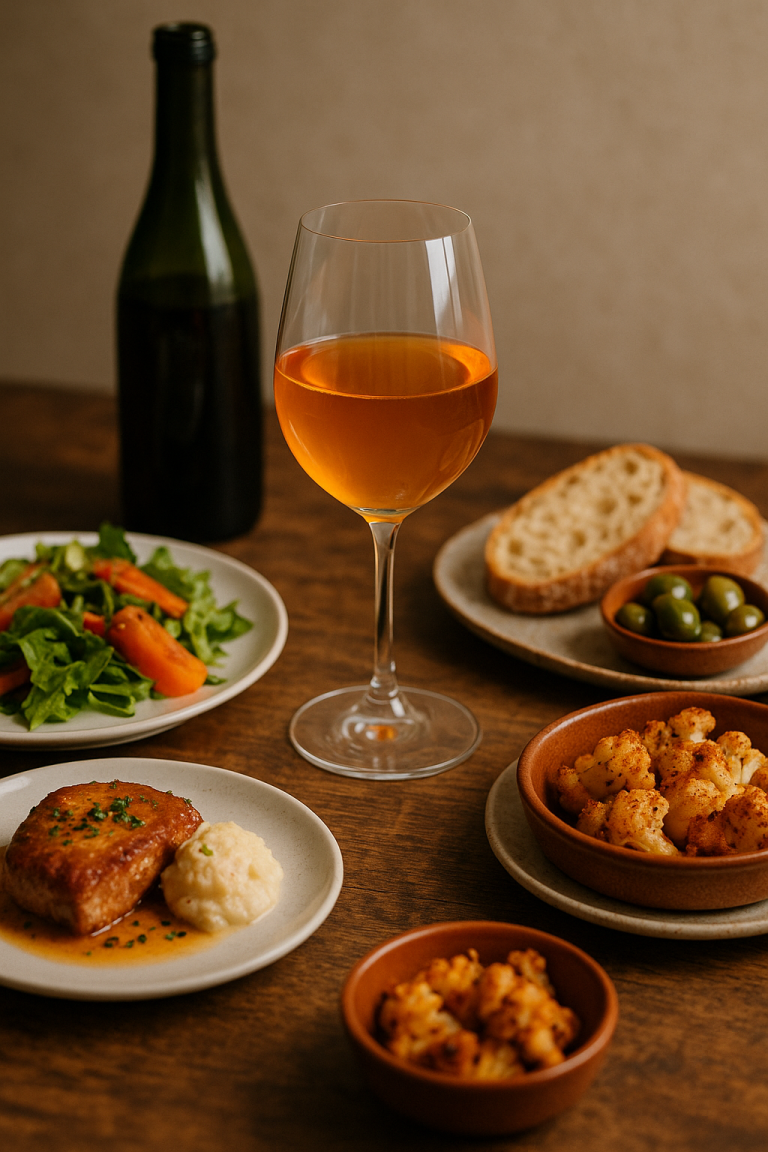
🍊 Skin-Contact Whites / Orange Wines
- Flavors: Dried fruit, tea, nutty, sometimes sour
- Pair with:
- Miso-glazed vegetables
- Grilled shrimp or squid
- Aged cheeses
- Middle Eastern mezze (hummus, olives, tabbouleh)
- Roasted cauliflower with tahini
Why it works: The tannins and grip in orange wines handle oil, spice, and umami well. These wines also love fermented foods.
🍎 Cloudy Natural Whites
- Flavors: Bright citrus, apple skin, funky sourness, floral
- Pair with:
- Goat cheese salad with herbs
- Fish tacos with lime crema
- Raw fennel or shaved radish
- Vietnamese rice paper rolls
- Chickpea flatbreads (socca)
Why it works: The brightness and texture in these wines love raw veggies, herbs, and acidity. They also pair beautifully with Mediterranean or Southeast Asian freshness.
🍒 Chillable Natural Reds (Gamay, Pinot Noir, Trousseau)
- Flavors: Light red fruit, earthy, herbal, low tannin
- Pair with:
- Charcuterie and pâté
- Lentil and beet salad
- Roast chicken with lemon and garlic
- Mushroom flatbread
- Burrata with tomatoes and herbs
Why it works: These reds offer just enough structure to complement savory flavors, while being light enough to chill and serve with veggie-forward or rustic dishes.
🌋 Rustic, Earthy Reds (Syrah, Nero d’Avola, Carignan)
- Flavors: Gamey, smoky, wild berries, dried herbs
- Pair with:
- Lamb burgers with harissa
- Eggplant parmesan
- Black bean stew
- Grilled portobello mushrooms
- Cured meats with crusty bread
Why it works: Hearty, umami-rich dishes bring out the best in structured, wild reds. Smoke and spice match with earthy funk.
🧂 Pét-Nat (Pétillant Naturel)
- Flavors: Lightly fizzy, unfiltered, yeasty, dry or off-dry
- Pair with:
- Brunch foods (eggs, avocado toast, quiche)
- Fried chicken or tempura
- Popcorn or potato chips
- Pickled vegetables
- Spicy noodles or bánh mì
Why it works: Pét-Nat’s playful fizz and wild texture make it the ultimate casual pairing wine. Great with salty, crunchy, and slightly funky flavors.
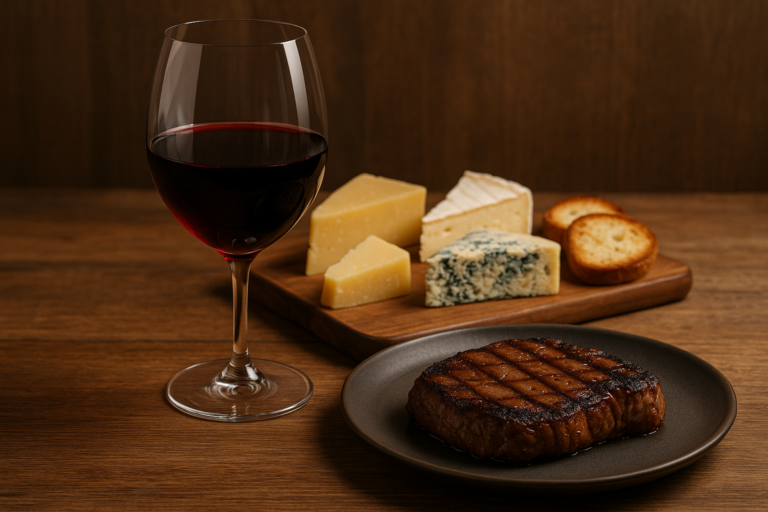
Natural Wines and Cheese
If you’re building a cheese board, natural wines are the perfect match. Look for:
- Raw milk cheeses (goat, sheep, aged cow’s milk)
- Washed-rind or bloomy rind cheeses
- Cheeses with ash or herbs
- Accompaniments like nuts, sour cherries, fermented honey, and rustic bread
Natural wines love funk, salt, and texture, making them more cheese-friendly than many conventional wines.
The Joy of Experimentation
There are no rigid rules in the world of natural and biodynamic wine. The key is to match personality with personality — vibrant food with vibrant wine, rustic dishes with rustic wines.
Many natural wines are bottled unfiltered and may evolve rapidly in the glass. That means pairing isn’t just about flavor — it’s about experience, timing, and curiosity.
Pro tip: Serve these wines at cool but not cold temperatures (around 12–15°C / 54–59°F), and use wide glasses to let the aromas evolve.
Final Thoughts: Let Nature Lead
Natural and biodynamic wines aren’t for everyone but for adventurous palates, they offer a raw, unedited look at terroir. Pairing them with the right foods can enhance their most compelling traits while keeping things grounded and delicious.
Whether you’re enjoying pét-nat with brunch, orange wine with mezze, or a wild red with mushroom risotto, these wines invite you to slow down and savor the unexpected.
Trust your taste. Taste your curiosity. Let nature guide the pairing.
Cheers!