How Wine Culture Is Evolving: New Ways People Are Enjoying Wine
Wine is no longer just about corkscrews, formal tastings, and sommelier-approved pairings. In recent years, the culture surrounding wine has undergone a dramatic transformation — becoming more casual, diverse, inclusive, and creative.
Today’s wine lovers are discovering and enjoying wine in ways that break old traditions and create space for fun, community, and personal expression. In this article, we explore how wine culture is evolving in 2026, and what that means for how — and with whom — we raise our glasses.
1. The Rise of Casual Wine Drinking
Gone are the days when wine was reserved for fine dining or special occasions. In today’s culture, wine is casual and accessible, often enjoyed:
- On a picnic blanket
- At a rooftop hangout
- During a Netflix binge at home
- At BBQs and game nights
Younger generations, especially Millennials and Gen Z, are leading the shift toward relaxed, unpretentious wine drinking. They care less about traditional rules and more about flavor, feeling, and experience.
It’s not about which glass you use — it’s about who you’re with and how the wine makes you feel.
2. Wine as a Social Connector
Wine is becoming a tool for community and connection, far beyond the dinner table. People are using wine to create shared experiences, like:
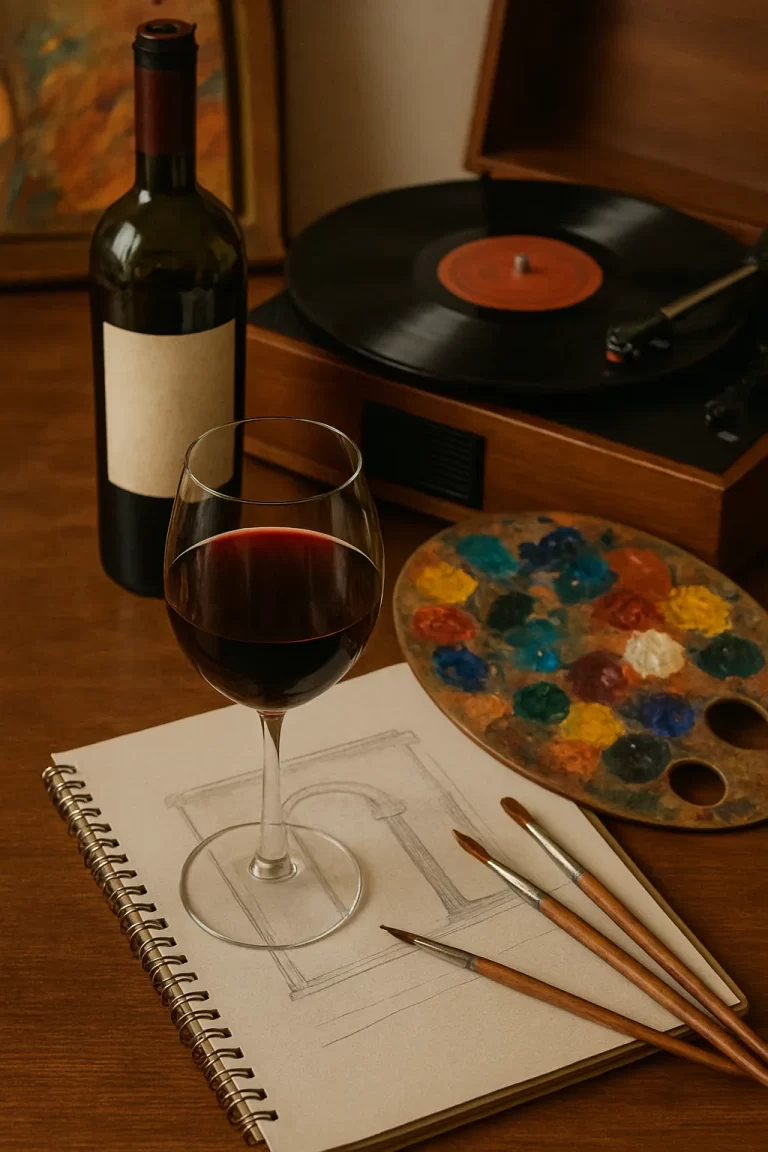
- Wine & paint nights
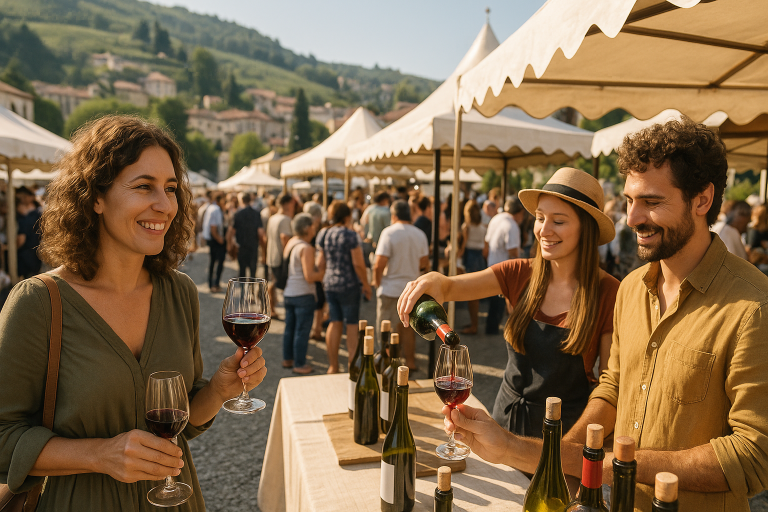
- Outdoor tastings with live music
- Wine and yoga sessions
- Themed tasting parties (rosé night, orange wine tasting, blind challenges)
These activities blend wine with art, wellness, entertainment, and friendship — reshaping wine as a medium for creativity and togetherness.
3. Digital Wine Communities and Online Tastings
Thanks to social media, wine culture is more connected than ever. From casual Instagram stories to deep Reddit threads, wine lovers are sharing experiences, reviews, memes, and pairings with a global audience.
Popular digital trends include:
- Virtual wine tastings with wineries or sommeliers
- TikTok wine reviews and education from everyday drinkers
- Wine memes that poke fun at the seriousness of wine snobs
- YouTube channels that teach tasting techniques, pairing tips, and budget-friendly options
These digital spaces are opening the wine world to people who may have felt intimidated by it in the past.
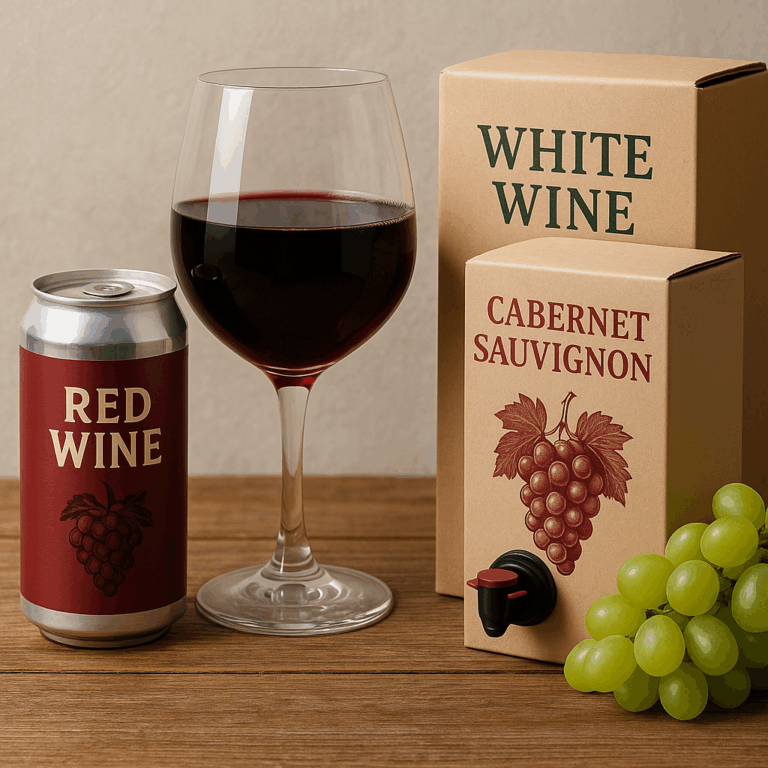
4. Canned and Boxed Wines Go Mainstream
What used to be considered “low-end” is now being celebrated for convenience, sustainability, and freshness. In 2026:
- Canned wines are perfect for festivals, picnics, and travel
- High-quality boxed wines are being sold by respected producers
- On-tap wines are popular at bars and restaurants, reducing waste
These packaging formats have made wine more accessible — and less intimidating — for newcomers.
5. Experimentation Over Rules
There’s been a cultural shift from “doing wine right” to simply doing what feels right.
People are now:
- Mixing wine into cocktails (frosé, spritzers, mulled wine)
- Pairing wine with fast food (yes, Champagne and fries!)
- Creating personal pairings based on mood, music, or even movies
- Drinking red wine chilled — something once frowned upon
Wine culture is no longer about memorizing pairing charts — it’s about personalization, fun, and exploration.
6. Embracing Lesser-Known Wine Styles
The average wine consumer is now more curious and adventurous. This has led to a surge in popularity of:
- Orange wines (skin-contact white wines with a bold, tannic structure)
- Pét-nat (pétillant naturel) sparkling wines with natural fizz
- Co-fermented blends mixing red and white grapes
- Wines from lesser-known regions like Slovenia, Uruguay, or Lebanon
The boundaries of what “counts” as good wine are expanding — and consumers are embracing the unknown.
7. Wine Education Is More Approachable
Instead of formal classes or sommelier-led lectures, people are learning about wine through:
- Short-form videos
- Infographics and TikTok explainers
- Interactive mobile apps
- Podcasts and wine-themed newsletters
- Wine-tasting kits and home challenges
These formats democratize wine knowledge, making it accessible to anyone with curiosity — not just connoisseurs.
8. Inclusivity and Representation in Wine
One of the most important shifts in wine culture is the push for diversity and inclusion.
The new wine scene is:
- Celebrating Black, Latinx, Asian, and Indigenous winemakers
- Lifting up women and LGBTQ+ voices in the wine world
- Challenging outdated stereotypes of what a “wine expert” looks like
- Creating spaces for underrepresented groups to learn, taste, and lead
Wine is for everyone — and the industry is starting to reflect that truth.
9. Wine Meets Wellness
As people become more health-conscious, they’re redefining what it means to enjoy wine responsibly.
Trends include:
- Low-ABV and alcohol-free wines
- Mindful drinking — savoring fewer glasses with more intention
- Wine and self-care rituals, like pairing wine with journaling, meditation, or spa nights
- Organic and biodynamic wines seen as healthier options
It’s about balance — enjoying wine without guilt or excess.
10. A Return to Storytelling and Meaning
Finally, modern wine lovers crave connection — not just to the wine, but to the people behind it.
Consumers are drawn to:
- Wines with authentic stories of place, passion, and purpose
- Family-run vineyards, artisanal producers, and small batches
- Sustainable practices and ethical sourcing
- Labels that reflect culture, history, and personality
In a world full of noise, wine has become a way to slow down and connect — with the earth, with others, and with ourselves.
Final Thoughts
The culture of wine is changing — for the better. It’s more fun, inclusive, creative, and human than ever before.
You don’t need to be a sommelier or own a cellar to be part of the wine world in 2026. You just need curiosity, a sense of adventure, and a willingness to make it your own.
So whether you’re sipping from a fancy glass or a can at the beach — you’re part of this new, evolving wine culture. And that’s something worth celebrating.
Cheers to wine, your way. 🍷