Wine Trends to Watch in 2026: What’s Changing in the World of Wine
The world of wine is evolving — and fast. What once was a tradition-bound industry is now bursting with innovation, sustainability, new consumer habits, and digital experiences. As we move into 2026, wine lovers, collectors, and casual drinkers alike are embracing exciting changes in how wine is made, sold, and enjoyed.
In this article, we explore the biggest wine trends shaping 2026 and what they mean for producers, sommeliers, and everyday enthusiasts.
1. Sustainability Becomes Standard — Not Optional
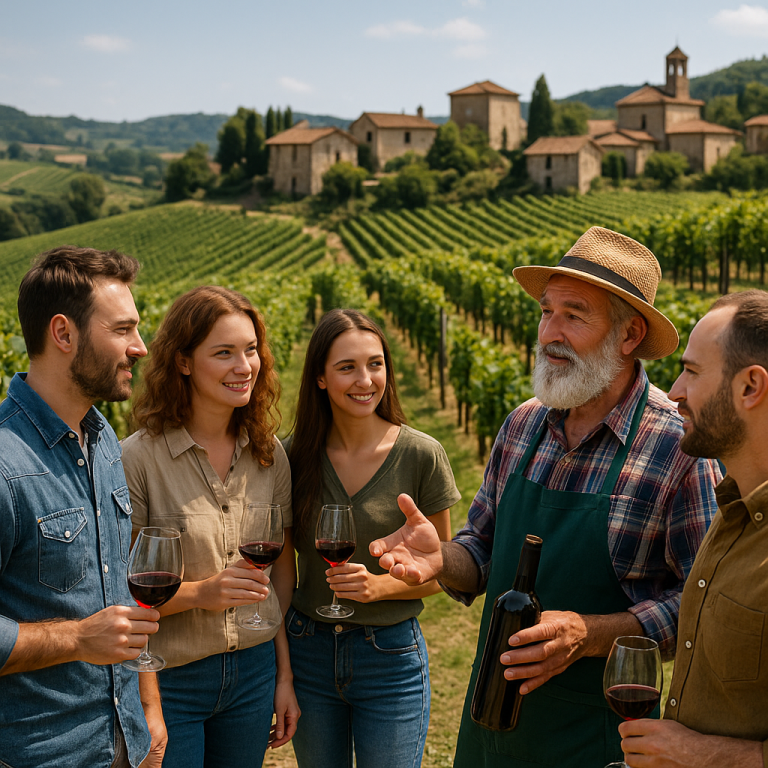
In 2026, eco-conscious winemaking is no longer just a niche; it’s the new norm. Wineries around the world are responding to climate change, resource scarcity, and consumer demand for transparency.
Key developments:
- Regenerative viticulture: Focused on improving soil health, biodiversity, and carbon capture.
- Low-intervention wines: Minimal additives, natural fermentation, and no synthetic chemicals.
- Alternative packaging: Expect to see more boxed wine, canned wine, and even paper wine bottles, all aimed at reducing carbon footprints.
Consumers are increasingly choosing wines with clear environmental credentials, certifications, and sustainability stories.
2. Climate Change Shifts Grape Growing Regions
The warming climate is dramatically affecting where and how grapes are grown.
What’s changing:
- New regions emerging: Countries like England, Denmark, and even parts of Canada are producing high-quality sparkling and white wines.
- Classic regions adapting: Bordeaux, Napa Valley, and Rioja are experimenting with heat-resistant grape varieties and vineyard elevation.
Trend insight:
- Expect to see new wine labels from unexpected places, and more blends using lesser-known grapes that thrive in warmer climates.
3. Younger Consumers Redefine Wine Culture
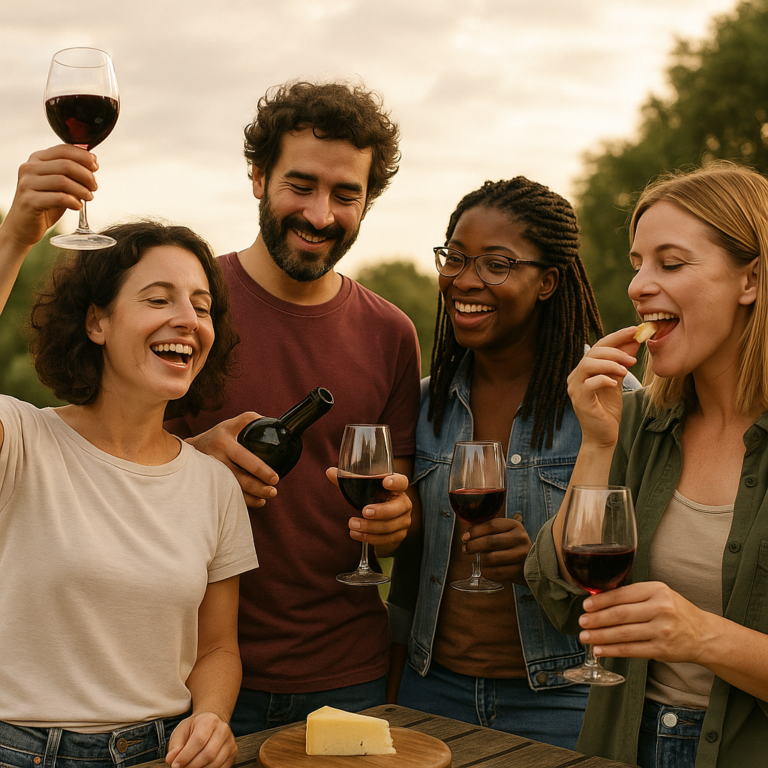
Millennials and Gen Z are embracing wine — but on their own terms.
Characteristics of the new generation of wine drinkers:
- Less formality: Moving away from rigid rules about pairings and glassware.
- More experimentation: Orange wine, pét-nat, and co-fermented blends are gaining traction.
- Wine cocktails: Think rosé spritzers, sangria, and natural wine-based mixology.
Wine is becoming more casual, accessible, and creative — thanks to a new wave of curious and inclusive drinkers.
4. Digital Wine Experiences Explode
As with many industries, wine has embraced digital transformation — especially post-pandemic. In 2026, the wine world is more connected online than ever before.
Trends include:
- Virtual tastings and wine clubs: Led by sommeliers, winemakers, and influencers.
- Augmented reality (AR) labels: Scan the bottle to unlock tasting notes, pairing suggestions, or vineyard tours.
- NFTs and digital wine collectibles: Used in exclusive clubs or for tracking bottle provenance.
The wine community now lives both offline and online, blending tradition with technology.
5. Natural and Minimal-Intervention Wines Go Mainstream
Once a fringe movement, natural wines are now front and center in wine bars, boutique shops, and even supermarket shelves.
What defines them:
- Wild fermentation
- Little to no sulfites
- Unfiltered, cloudy appearance
- Funky, unpredictable flavor profiles
While some purists are skeptical, many consumers love the raw, artisanal feel — and the connection to authentic winemaking.
6. Low-Alcohol and Non-Alcoholic Wines See Major Growth
Health-conscious drinking is on the rise, and winemakers are responding with low-ABV and alcohol-free options that don’t sacrifice taste.
What’s trending:
- 0.0% wines with real flavor and aroma
- Dealcoholized wines made through spinning cone or vacuum distillation
- Sparkling and rosé alternatives that mimic the experience of wine
These options are no longer bland or overly sweet — they’re sophisticated, well-crafted, and ideal for mindful sipping.
7. Hyper-Local and Micro-Batch Wines
Consumers are showing increased interest in small-scale, local production, supporting boutique wineries and rare bottlings.
Expect to see:
- More wines labeled with single-vineyard, single-parcel, or estate-grown origins
- A surge in urban wineries and garage wines in cities like New York, London, and Tokyo
- Subscription services that deliver limited-edition wines from micro-producers
It’s about story, place, and uniqueness — not mass appeal.
8. Packaging Evolves Beyond the Bottle
Wine in 2026 comes in many forms — and traditional bottles are just one option.
Innovations include:
- Canned wines: Convenient, portable, and surprisingly good quality.
- Wine on tap: At restaurants and wine bars, reducing waste and cost.
- Eco-friendly boxed wines: Modern boxed wine is no longer low-end.
Packaging is all about functionality, freshness, and environmental impact — not just aesthetics.
9. Data-Driven Winemaking
Technology is transforming how wine is grown and produced.
Examples:
- AI-driven vineyard monitoring for irrigation, disease detection, and harvest timing
- Precision fermentation using sensors to control flavor development
- Blockchain for supply chain transparency and anti-counterfeiting
Tech meets terroir — with winemakers using data to enhance tradition, not replace it.
10. More Focus on Inclusivity and Diversity in Wine
The wine world is becoming more inclusive and representative.
What’s changing:
- More women and BIPOC winemakers are being recognized and supported
- Wineries expanding representation in branding, storytelling, and hiring
- Wine education is becoming more accessible through apps, videos, and community platforms
This human-centered trend is reshaping the culture — making wine a space for everyone.
Final Thoughts
Wine in 2026 is a dynamic, evolving experience. From climate-conscious vineyards to non-alcoholic innovations and AI-powered winemaking, the industry is more diverse, inclusive, and forward-thinking than ever before.
Whether you’re a casual sipper or a seasoned connoisseur, these trends offer fresh ways to explore and enjoy wine. So raise a glass — to change, creativity, and the future of the vine.
Cheers! 🍷🚀