How to Find Great Affordable Wines with Big Personality
You don’t need to spend a fortune to drink well. While high-end wines get most of the attention, there’s a world of affordable bottles out there packed with flavor, balance, and character if you know where to look.
Whether you’re just starting your wine journey or you’re building a budget-friendly cellar, this guide will show you how to find delicious, wallet-friendly wines that punch way above their price.
Let’s unlock the secrets to smart wine buying with value, taste, and personality leading the way.
1. Know Where to Look (Regions That Overdeliver)
Some of the best-value wines come from regions that are less famous but just as passionate about quality.
🌍 High-quality, low-cost wine regions:
- Portugal – Amazing reds (Douro, Dão) and fresh whites (Vinho Verde)
- Spain – Rioja, Ribera del Duero, Jumilla, and Galicia are gold mines
- Southern Italy – Puglia, Sicily, and Abruzzo offer bold reds and fresh whites
- South Africa – Excellent Chenin Blanc and Syrah at low prices
- Chile and Argentina – Fruity Malbec, Carmenère, Sauvignon Blanc
- Romania, Hungary, and Bulgaria – Up-and-coming regions with native grapes
- Languedoc (France) – Rustic reds and crisp whites without the Champagne price tag
- Washington State (USA) – Affordable Syrah, Merlot, and Riesling
In short: less hype = better value.
2. Shop Smart (Know Where to Buy)
Buying wine doesn’t have to be intimidating and you don’t have to rely on supermarket labels.
Tips for smart shopping:
- Find a local wine shop with knowledgeable staff who can make personal recommendations
- Use online wine retailers (Wine.com, Vivino, Naked Wines, etc.) to browse by price and reviews
- Try wine subscription boxes that specialize in discovery and curation
- Buy by the case when you find something you love often 10–15% off
- Look for end-of-vintage deals and “bin end” discounts at stores
Bonus: Ask for wines under $20 that are food-friendly or “sommelier favorites” you’ll often be surprised at the gems they suggest.
3. Don’t Obsess Over Famous Grapes
Everyone knows Cabernet Sauvignon and Chardonnay but some of the best-value wines come from lesser-known varieties.
Try these affordable alternatives:
- Instead of Cabernet Sauvignon → try Monastrell (Spain) or Bobal
- Instead of Chardonnay → try Godello (Spain) or Chenin Blanc (South Africa)
- Instead of Pinot Noir → try Gamay (France) or Frappato (Italy)
- Instead of Sauvignon Blanc → try Verdejo or Grüner Veltliner
These lesser-known grapes are often easier on your budget and more adventurous in flavor.
4. Read the Label Clues
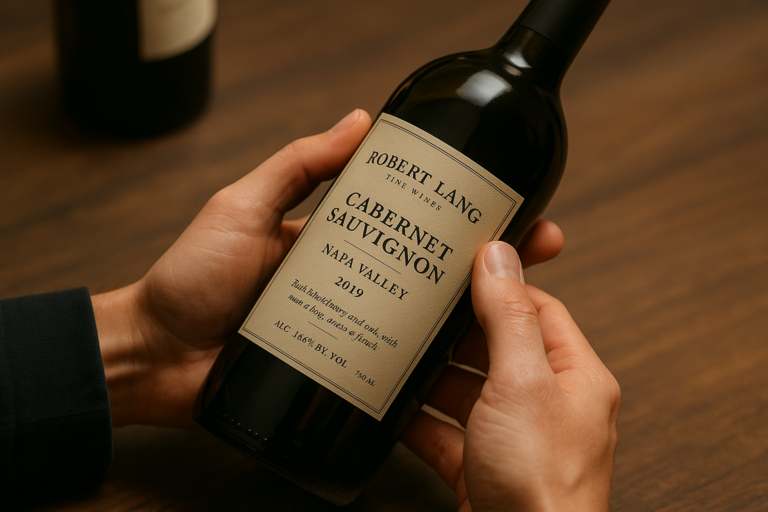
Wine labels don’t always make it easy, but a few key terms can point you to a good value.
Look for:
- Appellation: Specific, less-famous regions often equal value
- Old vines (Vieilles Vignes / Vinas Viejas): Generally deeper flavor concentration
- Estate bottled: Wine was made and bottled by the same producer (usually higher care)
- Importer reputation: Look on the back label for respected importers (Kermit Lynch, Skurnik, Rosenthal, etc.)
Avoid generic terms like “table wine” or “proprietor’s blend” unless you’ve tasted it before these can be hit or miss.
5. Use Technology to Your Advantage
Wine apps and websites can help you quickly vet a bottle before you buy.
Best tools:
- Vivino – Scan labels, check average ratings, and see food pairings
- Delectable – Great for keeping a wine journal
- Wine-Searcher – Compares prices and shows critic reviews
- Reddit r/wine – Helpful threads for budget-friendly recommendations
Tip: Look for bottles with consistent 3.8+ star ratings on Vivino in the under-$20 range.
6. Buy Based on Style, Not Brand
If you enjoy a wine, write down the style and flavor profile not just the name. This will help you find more wines with similar traits.
For example:
- Like light, zesty whites? Try Vermentino, Albariño, or Assyrtiko
- Like bold, jammy reds? Try Zinfandel, Primitivo, or Bonarda
- Like earthy, savory wines? Explore Tempranillo, Cinsault, or Mencía
This is how you build your wine intuition and avoid chasing labels with inflated price tags.
7. Think in Occasions
Rather than shopping wine by price, try shopping by purpose:
- Weeknight wine? Look for juicy, unoaked, drink-now styles ($10–15)
- Dinner party? Go for versatile, crowd-pleasing blends ($12–18)
- Gift wine? Look for eye-catching labels or unique regions ($15–25)
- Cellar starter? Choose balanced reds or whites with aging potential ($18–30)
Planning like this helps you stock smart and always have the right wine on hand without overspending.
Bonus: Great Value Wines to Try
Here’s a list of consistent budget-friendly wines to look for globally:
- Altos Las Hormigas Malbec (Argentina)
- Les Darons by Jeff Carrel (France)
- Periquita Red Blend (Portugal)
- Castillo de Monseran Garnacha (Spain)
- Indaba Chenin Blanc (South Africa)
- Bogle Old Vine Zinfandel (California)
- Pecorino Terre di Chieti (Italy)
- Espelt Garnacha Rosado (Spain)
Most of these retail for under $15 and punch far above their weight.
Final Thoughts: Wine Value Is About Joy, Not Price
Finding a great wine for $12 is a thrill. And once you learn where to look and what to trust, you’ll realize that quality wine doesn’t have to be expensive.
With a little curiosity and experimentation, you can fill your wine rack with bottles that deliver flavor, balance, and character without breaking the bank.
So go out, explore boldly, and drink well no matter your budget.
Cheers to great wine with great personality!