Wine Traditions in Lesser-Known Regions Around the World
When we think of wine, the first regions that often come to mind are Bordeaux, Napa Valley, Tuscany, or Rioja. While these iconic names are synonymous with fine wine, they represent only a fraction of the world’s rich and diverse winemaking culture. All around the globe, lesser-known regions have quietly nurtured their own wine traditions steeped in history, innovation, and deep ties to the land.
In this article, we’ll explore some of these hidden gems, where wine is not just produced, but lived as a way of life. Discover how these lesser-known wine regions are preserving old techniques, experimenting with new ones, and captivating wine lovers with unique flavors and stories.
1. Moldova – A Legacy Hidden Underground
Nestled between Romania and Ukraine, Moldova is one of Europe’s most underrated wine countries. Despite its modest international profile, Moldova has one of the oldest winemaking traditions in the world, dating back over 5,000 years.
What makes Moldova stand out is its enormous underground wine cellars, especially Milestii Mici, which holds the Guinness World Record for the largest wine collection. This subterranean labyrinth stretches over 200 kilometers and stores millions of bottles.
Moldovan wines are typically made from both local and international grape varieties, such as Fetească Neagră, Rară Neagră, and Cabernet Sauvignon. Wine is deeply tied to Moldovan identity — most families make their own wine at home, and festivals are held throughout the year to celebrate the harvest.
2. Lebanon – Wine Among the Ruins
In the Bekaa Valley of Lebanon, winemaking dates back to Phoenician times, around 3,000 BC. Despite political unrest and war, Lebanon has maintained a vibrant wine culture, blending ancient methods with French influences.
The country’s most iconic winery, Château Ksara, was founded by Jesuit monks in 1857. Today, it and other wineries like Château Musar and Domaine des Tourelles produce elegant reds and whites that often surprise wine critics with their complexity.
Wine in Lebanon is both an agricultural product and a cultural statement — a symbol of resilience, heritage, and pride amid modern challenges.
3. Uruguay – Tannat’s Unexpected Home
In the shadow of Argentina and Chile, Uruguay has quietly become a serious player in South American wine, especially as the home of the bold red grape Tannat.
Originally from the southwest of France, Tannat found a new expression in Uruguay’s Atlantic climate, developing softer tannins and deeper fruit flavors. Winemakers here have embraced sustainable and small-scale practices, crafting artisanal wines that reflect the coastal terroir.
Regions like Canelones and Maldonado are gaining recognition, not just for Tannat but also for Albariño and Sauvignon Blanc. Uruguay’s wine tourism is also expanding, offering an intimate, relaxed experience for travelers seeking something off the beaten path.
4. Canada – Beyond Ice Wine
While Canada is best known for its ice wine, particularly from Niagara, the country’s wine scene is far more diverse than most realize.
British Columbia’s Okanagan Valley is producing high-quality Pinot Noir, Chardonnay, and Syrah, with a growing reputation for organic and biodynamic viticulture. The region’s dramatic lakes, mountains, and desert-like climate create a truly unique environment for grapes.
Meanwhile, Nova Scotia is gaining attention for its crisp, aromatic whites and sparkling wines. Though Canada’s wine production is relatively small, its innovation and quality are turning heads globally.
5. Hungary – Tokaj and Beyond
Most wine lovers know Tokaji Aszú, the golden dessert wine from Hungary’s Tokaj region, but the country’s wine offerings go well beyond that.
Hungary is home to over 20 wine regions, each with distinct grapes and styles. The Eger region produces robust reds like Egri Bikavér (“Bull’s Blood”), while Somló offers volcanic whites with exceptional minerality.
Hungarian wines often use native grapes like Furmint, Hárslevelű, and Kékfrankos, creating unique profiles that are hard to find elsewhere. With increasing international investment and renewed interest in traditional methods, Hungary is re-emerging as a serious wine destination.
6. Slovenia – Nature-Driven Winemaking
Bordering Italy and Austria, Slovenia is a small country with a massive wine culture. Its three main wine regions — Primorska, Podravje, and Posavje — are home to thousands of independent wine producers, many of whom focus on natural and orange wines.
Slovenian winemaking emphasizes minimal intervention, indigenous yeast, and aging in clay amphorae or old oak. The result is a portfolio of wines that are raw, complex, and expressive of the region’s lush, hilly landscapes.
The local grape Rebula (Ribolla Gialla) is a rising star, especially in the Goriška Brda region, which shares borders and techniques with northeastern Italy.
7. Israel – Wine in the Desert
Modern Israeli winemaking is a blend of cutting-edge technology and biblical legacy. Though vines have been grown in the region for thousands of years, Israel’s current wine boom began in the 1980s with a focus on quality and innovation.
Wineries have emerged in unexpected places — even the Negev Desert, where advanced irrigation and altitude have made viticulture possible. The Golan Heights and Galilee regions are known for producing balanced, expressive wines, both red and white.
Israeli wines often reflect both religious significance and international ambition, with kosher wines now rivaling top-tier global labels in quality.
8. Romania – Old World Revival
With a winemaking history as old as Greece or Italy, Romania is regaining its place on the wine map. The country has an abundance of native grapes like Fetească Albă, Fetească Regală, and Fetească Neagră, offering flavors and aromas that are unique to the region.
Romania’s wine regions — such as Dealu Mare, Cotnari, and Transylvania — benefit from a mix of continental and Mediterranean climates, ideal for both red and white varietals.
The revival of traditional winemaking, paired with modern techniques, is putting Romanian wines in the spotlight for adventurous consumers.
Why These Regions Matter
Lesser-known wine regions are vital for the future of wine because they:
- Offer new and diverse flavor profiles
- Preserve native grape varieties and heritage methods
- Embrace sustainability and small-scale production
- Enrich global wine culture with authenticity and character
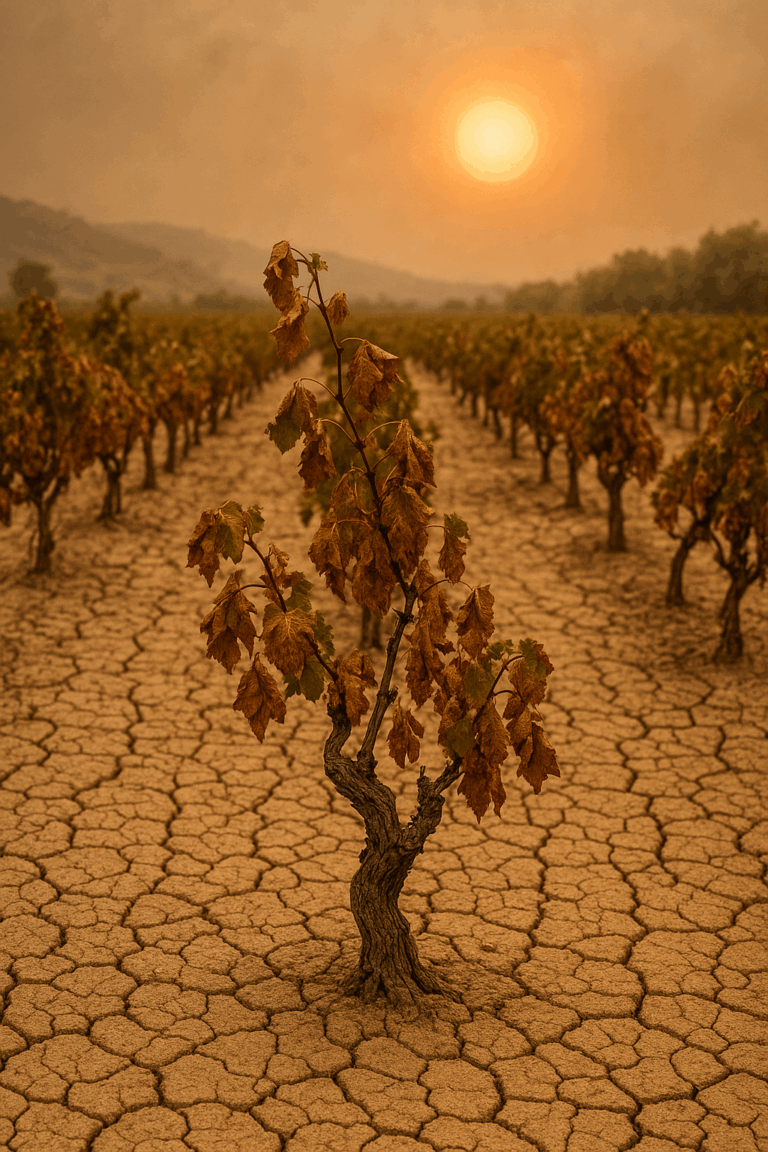
As climate change impacts traditional regions, these emerging areas may also become increasingly important for global production.
The Beauty of Exploration
One of the most rewarding aspects of wine is the discovery — not just of flavors, but of stories, people, and places. These lesser-known regions prove that greatness in wine isn’t limited to big names or global fame.
So next time you’re browsing a wine list or visiting a wine shop, consider venturing beyond the usual. That unpronounceable grape from Moldova or the Tannat from Uruguay might just surprise you — and open the door to a whole new world of wine.