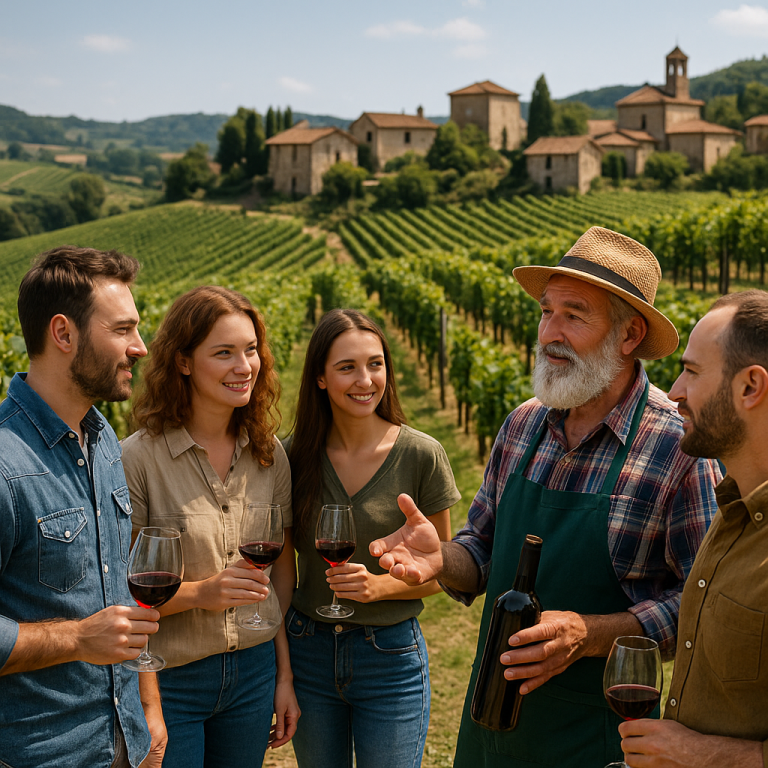
The Rise of Natural Wines: What You Need to Know
Over the past decade, natural wine has gone from niche curiosity to global trend. You’ve likely seen it on wine bar menus, in hip bottle shops, or hashtagged on Instagram. With cloudy colors, funky flavors, and minimalist labels, natural wines are rewriting the rules — and challenging what wine “should” taste like.
But what exactly is natural wine, and why is it gaining so much attention?
In this guide, we’ll explore what defines natural wine, why it’s rising in popularity, and what to expect if you’re curious to try it yourself.
🌱 What Is Natural Wine?
There’s no official legal definition, but most natural wines share the following characteristics:
- Grapes grown organically or biodynamically
- Hand-harvested
- Fermented with native (wild) yeasts
- Little to no added sulfites
- No filtering or fining
- Minimal intervention throughout the winemaking process
In essence, natural wine is about letting the grape — and nature — speak for itself, without manipulation.
🍷 It’s often described as the “punk rock” of the wine world.
🔥 Why Is Natural Wine So Popular Right Now?Several cultural and generational shifts are fueling the natural wine boom:
1. Sustainability Matters
Natural wines align with environmentally friendly values — no pesticides, no synthetic fertilizers, and minimal waste.
2. Health-Conscious Drinking
Many consumers are seeking wines with fewer additives and less processing. Natural wine fits the “clean eating” ethos.
3. Authenticity & Transparency
Natural wine often tells a story. You know who made it, where it’s from, and what went (or didn’t go) into it.
4. Unique Taste Experiences
Natural wine offers flavors outside the mainstream — wild, funky, alive. It attracts adventurous drinkers looking for something different.
👅 What Does Natural Wine Taste Like?
That depends — and that’s part of the appeal.
Expect:
- More texture and cloudiness
- Earthy, sour, or cider-like notes
- Unexpected aromas (think barnyard, kombucha, herbs)
- A living quality — the wine may evolve in the glass or bottle
Not all natural wines are funky, though. Many are clean, crisp, and delicious — it varies by winemaker, grape, and region.
🌍 Where to Find Natural Wine
Natural wine is now global, but some hotspots include:
- France (Loire, Jura, Beaujolais)
- Italy (Sicily, Emilia-Romagna)
- Spain (Catalonia)
- Australia & New Zealand (minimal-intervention pioneers)
- United States (California, Oregon, New York)
Look for labels that mention “no added sulfites,” “native yeast,” or “unfiltered.” Ask your local wine shop — natural wines are usually proudly displayed.
⚖️ Pros and Cons of Natural Wine
| ✅ Pros | ❌ Cons |
|---|---|
| Organic and eco-friendly | Shorter shelf life |
| No additives or chemicals | Inconsistent from bottle to bottle |
| Unique, vibrant flavors | Can be an acquired taste |
| Often made by small producers | Limited availability |
🛒 Tips for Trying Natural Wine for the First Time
- Start with a white or rosé — they’re often more approachable
- Chill it properly — temperature affects funky flavors
- Keep an open mind — it won’t taste like supermarket wine
- Buy from a wine shop that specializes in natural bottles
- Take notes — you might discover a new favorite style
❓ FAQs: Natural Wine
Is natural wine healthier than regular wine?
Natural wine usually has fewer additives and less sulfite, but it’s still alcohol. Some people with sulfite sensitivity may tolerate it better, but moderation is key.
Does natural wine give less of a hangover?
There’s no scientific proof, but fewer additives and lower alcohol levels may reduce symptoms for some drinkers.
Why is natural wine cloudy or fizzy?
It’s often unfiltered and bottle-fermented, which can leave sediment or bubbles — both are harmless and part of the style.
Is orange wine the same as natural wine?
Not necessarily. Orange wine is a style (white grapes fermented with skins), while natural wine refers to how it’s made. But many orange wines are natural.
Can natural wines age well?
Some do, but many are meant to be enjoyed young and fresh. Always ask the producer or wine seller.
🥂 Final Thoughts
Natural wine isn’t for everyone — and that’s okay. But for those seeking authenticity, sustainability, and bold, surprising flavors, it offers a rewarding path beyond the polished perfection of conventional wines.
So whether you’re a curious newcomer or a seasoned sipper, natural wine invites you to explore, experiment, and taste something truly alive.